Qwen / image model
Qwen Image 2.1
Explore Qwen Image 2.1, its capabilities, use cases and ComfyUI workflows for image generation on HexGrid Cloud.
Deploy Qwen Image 2.1 with ComfyUI
Choose a workflow to explore its setup, inputs, downloads and generation examples.
01Workflow guide
Text to Image
Create images from text prompts with Qwen Image 2.1. Explore the ComfyUI setup, workflow instructions and generation examples.
Text → Image
Explore workflow02JSON available
Image Editing
Edit images using reference inputs and text instructions with Qwen Image 2.1. Explore the ComfyUI setup, workflow instructions and generation examples.
Text + Image → Image
Explore workflowAbout Qwen Image 2.1
Qwen-Image 2.1 is Alibaba's open-weight image generation and editing model, deployable on HexGrid.cloud with dedicated GPU infrastructure, configurable inference workflows, custom model checkpoints and optimization support.
It supports three primary capabilities within a unified architecture: text-to-image generation, image editing and multi-reference image composition. The model can generate photorealistic images, illustrations, graphics and transparent RGBA assets while supporting instruction-based edits, localized modifications and consistent subject preservation across up to 10 reference images.
Qwen-Image 2.1 uses a 7-billion-parameter visual generation transformer with 32 single-stream Diffusion Transformer layers and a Qwen3-VL 8B text encoder. It supports native 2K image generation across seven aspect ratios, with advanced typography, realistic textures, native transparency and efficient inference through mixed-granularity attention and prefix KV caching. A separate Turbo checkpoint enables image generation and editing in just 8 denoising steps.
What people use it for
High-resolution text-to-image
Generate detailed 2K images directly from natural-language prompts, including photorealistic scenes, cinematic compositions, illustrations, digital artwork and complex visual concepts. Control lighting, perspective, materials, colors and artistic style through descriptive instructions.
Image editing and transformation
Modify existing images using natural-language instructions. Replace backgrounds, change clothing, adjust lighting, transform artistic styles, remove unwanted objects or alter specific visual elements while preserving the original image's important characteristics.
Multi-reference image composition
Combine up to 10 reference images into a new composition while maintaining the appearance of people, products, clothing and other visual elements. Create group portraits, product arrangements, character compositions and consistent branded visuals.
Transparent assets and design
Generate transparent RGBA images, isolated objects, stickers, illustrations, icons and product cutouts. Edit transparent layers, extract subjects from photographs and create reusable visual assets without requiring separate background-removal tools.
Marketing and graphic design
Create advertising creatives, promotional posters, product visuals, social media graphics and branded illustrations with detailed typography, realistic materials and controlled visual layouts. Generate high-resolution assets suitable for digital campaigns and creative production.
Portrait and product editing
Retouch portraits, modify clothing, refine product photographs and create alternative compositions while preserving recognizable facial features, product shapes and visual identity. Use reference images to maintain subject consistency across generated assets.
Strengths
- Native 2K image generation with 2048×2048 square output and high-resolution landscape and portrait formats
- Unified text-to-image generation and image editing within a single model checkpoint
- 7B-parameter visual generation transformer with 32 single-stream Diffusion Transformer layers
- Qwen3-VL 8B text encoder for understanding complex natural-language instructions and visual references
- Native RGBA transparency for generating isolated objects, stickers, illustrations and transparent design assets
- Up to 10 reference images for multi-subject composition, product consistency and identity-preserving edits
- Instruction-based local editing using circles, painted annotations and separate masks to identify regions for modification
- Strong text rendering capabilities for posters, infographics, advertising graphics and typography-heavy compositions
- Improved photorealistic textures, portrait lighting, fine details and material rendering
- Subject identity preservation across edits, including facial characteristics, clothing, products and recognizable visual features
- Seven supported aspect ratios covering square, landscape, portrait and widescreen compositions
- Mixed-granularity attention combining causal text processing with bidirectional image-token interactions
- Prefix KV cache reuse to avoid repeated computation of text instructions and reference-image context during denoising
- Flow-matching diffusion with Euler discrete scheduling and dynamic timestep shifting
- Optional prompt rewriting using dedicated Qwen3.5-VL 9B models for text-to-image and image-editing tasks
- Turbo checkpoint supporting text-to-image generation and image editing in 8 denoising steps
- Configurable inference steps, guidance parameters, image dimensions and random seeds
- Support for BF16 inference, FP8 optimization, CPU offloading and multi-GPU execution through compatible runtimes
- Open-weight architecture supporting model customization, fine-tuning and private deployment subject to licensing requirements
Limitations
- Native generation is optimized for 2K-class output. Images larger than the recommended resolution presets may require additional processing, upscaling or increased GPU memory.
- The model generates still images only. Native video generation, animation, audio synthesis and synchronized audiovisual output are not supported.
- Multi-reference image editing supports a maximum of 10 reference images in the standard model workflow.
- Complex compositions involving many reference subjects can exhibit identity drift, object duplication, incorrect spatial relationships or inconsistent details.
- Instruction-based local editing may modify nearby regions unintentionally, particularly when the requested changes affect overlapping objects or complex textures.
- Although text rendering is improved, long paragraphs, very small typography, mathematical notation and densely packed layouts may still contain spelling or formatting errors.
- Transparent image generation depends on appropriate prompting and RGBA-compatible output handling. Formats without alpha-channel support cannot preserve transparency.
- Native 2K generation requires substantial GPU memory, particularly when processing multiple reference images or using the full-precision model.
- The original model commonly uses 40 denoising steps. Higher step counts increase inference time and computational cost.
- The Turbo checkpoint uses a specialized 8-step sampling schedule. Its accelerated generation may produce different fine details or visual results compared with the original checkpoint.
- Prompt rewriting requires separate Qwen3.5-VL 9B models and introduces additional memory consumption and preprocessing overhead.
- Highly specific object arrangements, exact reference reproduction and complex multi-step editing instructions may require multiple generation attempts.
- The standard Qwen Research License permits non-commercial research and evaluation use only. Commercial use or deployment requires a separate commercial license from the model owner.
Specifications
Generation, input and serving details.
ProviderQwenFamilyQwen-ImageCategoryimageWorkflows2
Generation
- Modes
- Text-to-image, image editing, multi-reference image composition
- Variants
- Qwen-Image-2.1, Qwen-Image-2.1-Turbo
- Architecture
- Single-stream Diffusion Transformer with mixed-granularity block-causal attention
- Model parameters
- 7B visual generation parameters; separate Qwen3-VL 8B text encoder
- Transformer layers
- 32 single-stream DiT layers
- Text encoder
- Qwen3-VL 8B
- Resolution
- Native 2K-class generation across supported aspect ratios
- Default resolution
- 2048×2048
- Resolution presets
- 2048×2048, 2400×1792, 1792×2400, 2528×1696, 1696×2528, 2752×1536, 1536×2752
- Aspect ratios
- 1:1, 4:3, 3:4, 3:2, 2:3, 16:9, 9:16
- Output formats
- RGB and RGBA images; PNG recommended for preserving transparency
- Transparent output
- Native RGBA image generation with alpha-channel support
- Reference images
- Up to 10 images for multi-reference editing and composition
- Inference steps
- Original: 40 default; Turbo: 8-step optimized schedule
- Generation framework
- Flow-matching diffusion
- Sampling scheduler
- FlowMatchEulerDiscreteScheduler with dynamic shifting
- Image decoder
- 64-channel RGBA variational autoencoder
- VAE compression
- 16× spatial compression
- Attention mechanism
- Mixed-granularity block-causal attention with prefix KV cache reuse
- Batch generation
- Configurable through compatible inference workflows
Inputs and Controls
- Text prompt
- Required for text-to-image; used to describe modifications in image-editing workflows
- Input image
- Optional for generation; required for editing existing images
- Reference images
- Up to 10 images for subject conditioning, composition and identity preservation
- Multi-image conditioning
- Supported for combining subjects, objects, clothing, backgrounds and visual styles from multiple references
- Local editing
- Instruction-guided modifications using visual annotations, circles, painted regions or separate masks
- Mask input
- Supported through compatible region-guided editing workflows
- Transparent image input
- Supports RGBA image conditioning and editing
- Transparent image output
- Native alpha-channel generation; transparency can be requested through explicit prompts
- Background removal
- Subject extraction and transparent-background generation through image-editing instructions
- Negative prompt
- Supported through compatible inference pipelines with classifier-free guidance
- Guidance scale
- Configurable; guidance behavior depends on the selected checkpoint and inference implementation
- Inference steps
- Configurable for the original checkpoint; 40 steps recommended by default
- Turbo inference
- 8 denoising steps using the checkpoint's predefined sampling schedule
- Random seed
- Optional integer seed for reproducible image generation and editing
- Image dimensions
- Configurable width and height; native 2K presets recommended
- Aspect ratio control
- Explicit resolution selection or aspect-ratio recommendations from prompt rewriting
- Prompt expansion
- Optional using Qwen-Image-2.1-PE-T2I and Qwen-Image-2.1-PE-I2I
- Prompt rewriting models
- Two specialized Qwen3.5-VL 9B checkpoints for generation and editing
- Identity preservation
- Reference-guided preservation of people, products, clothing and recognizable subject characteristics
- Text rendering
- Supports text-heavy image generation, including posters, advertisements, diagrams and infographics
- Style control
- Natural-language control over realism, illustration style, lighting, color palette, composition and materials
- Prefix KV caching
- Supported for reusing text and reference-image conditioning across denoising steps
- Model precision
- BF16 native inference; FP8 optimizations supported through compatible runtimes
- CPU offloading
- Supported for reducing GPU memory requirements
- Multi-GPU inference
- Tensor parallelism and sequence parallelism supported through compatible inference frameworks
- Fine-tuning
- Custom training and LoRA adaptation supported through compatible training frameworks, subject to licensing terms
Serving
- Provider
- Alibaba / Qwen Team
- API platform
- HexGrid.cloud
- Deployment
- Private GPU deployment with configurable image generation and editing workflows
- Generation workflows
- Text-to-image, single-image editing, multi-reference composition and transparent image generation
- Model checkpoints
- Qwen-Image-2.1 and Qwen-Image-2.1-Turbo
- Output format
- Static RGB or RGBA images; PNG output for transparent assets
- Model availability
- Open-weight checkpoints available for private deployment, subject to model license conditions
- Model license
- Qwen Research License Agreement; separate commercial license required for commercial use
- Fine-tuning
- Custom model adaptation and LoRA fine-tuning through compatible training frameworks, subject to licensing terms
- Model architecture
- 7B single-stream Diffusion Transformer with Qwen3-VL 8B conditioning and RGBA VAE
- Inference frameworks
- Diffusers, ComfyUI and compatible optimized inference runtimes
- Infrastructure
- Dedicated GPU infrastructure with private model execution and configurable inference pipelines
- GPU requirements
- High-memory GPUs recommended for native BF16 inference at 2K resolution; requirements vary with optimization, reference count and model offloading
- Memory optimization
- CPU model offloading, FP8 quantization, prefix KV caching and optimized attention implementations
- Parallel inference
- Multi-GPU execution through compatible tensor-parallel and sequence-parallel runtimes
- Customization
- Custom checkpoints, inference parameters, sampling schedules, prompt rewriting, reference conditioning and image post-processing workflows
- Performance
- Original checkpoint uses 40 denoising steps by default; Turbo supports 8-step generation and editing. Throughput depends on GPU hardware, image resolution and optimization settings
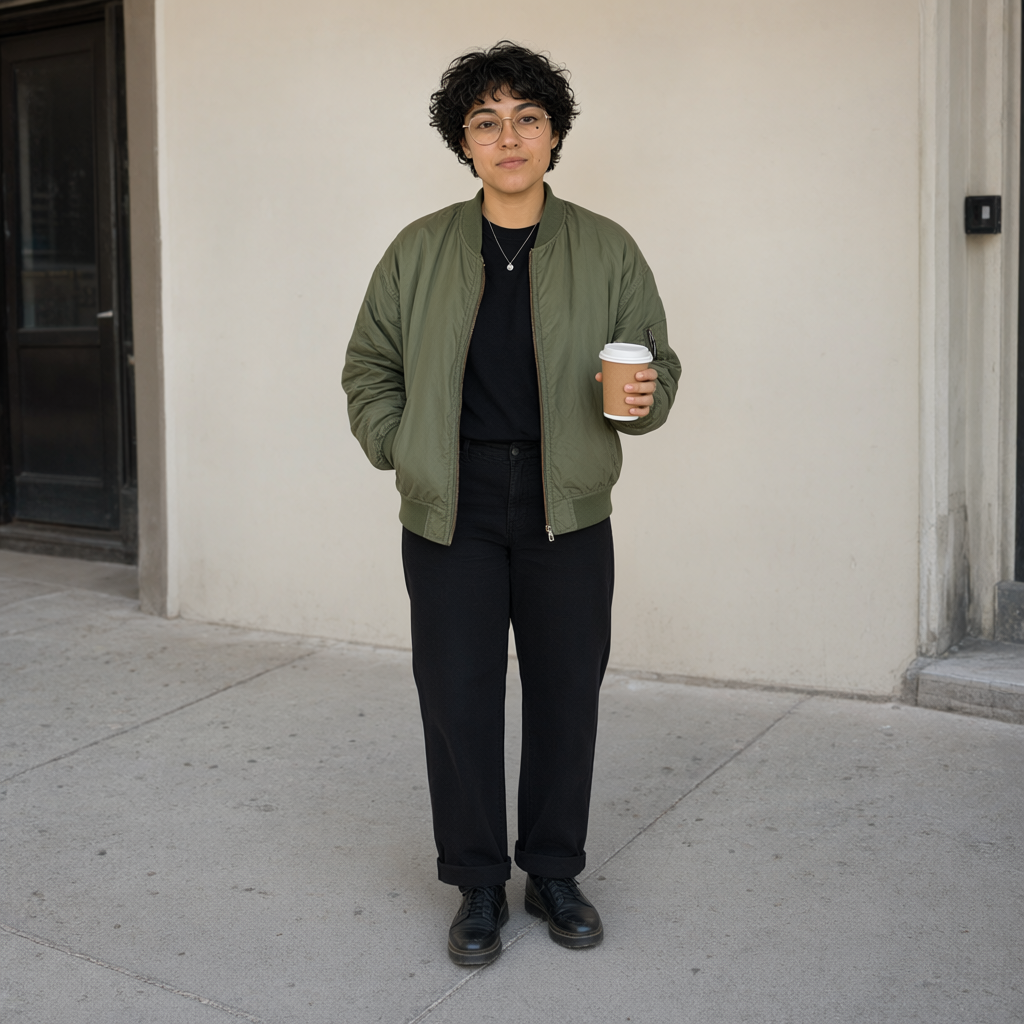
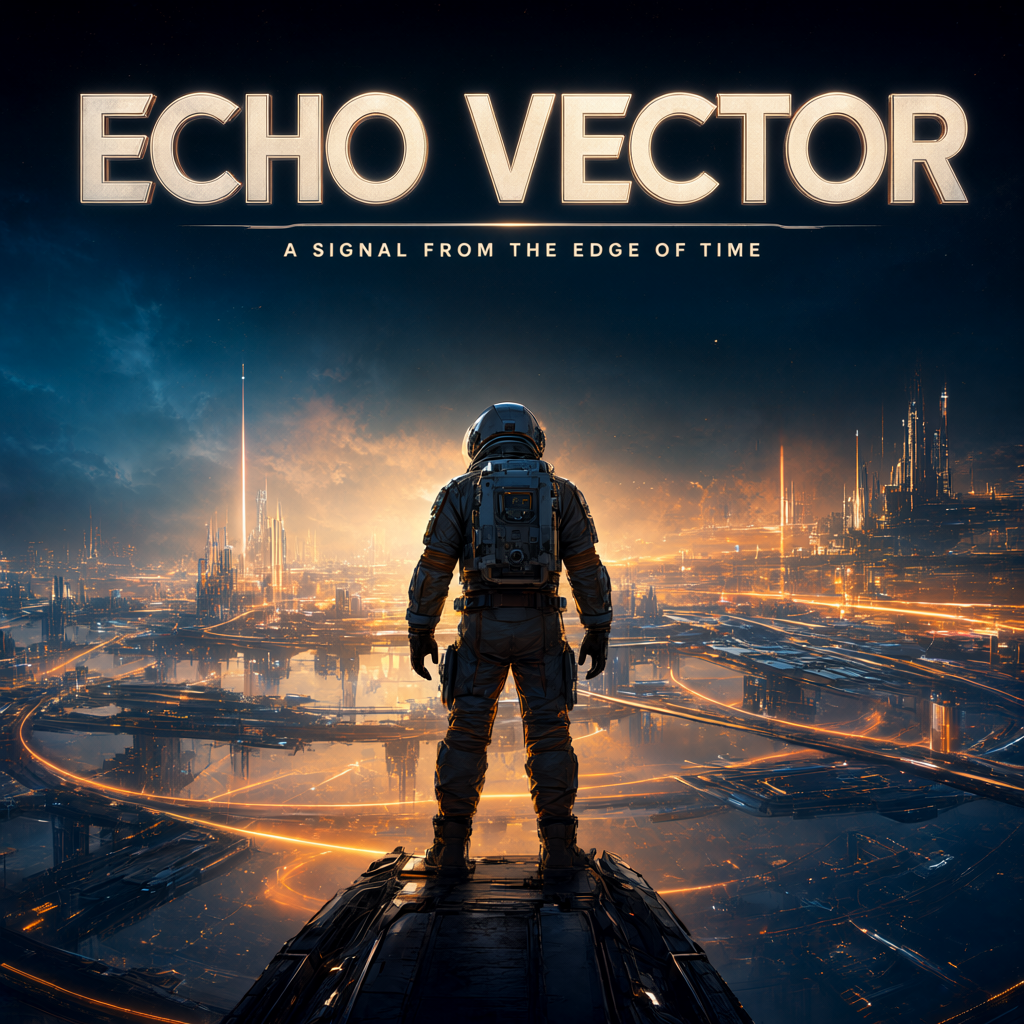
Generation examples
Explore related models
Krea 2 Turbo
Krea AI
Explore modelFlux 2 Klein 4B
BlackForest Labs
Explore modelZ-Image Turbo
Qwen
Explore model